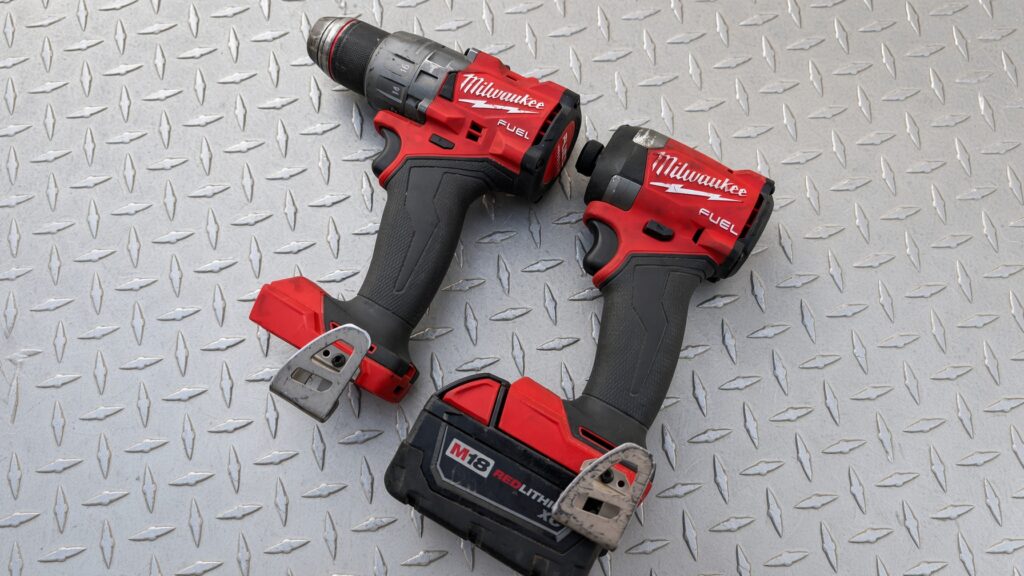
You buy one cordless drill. Feels smart. Feels like progress.
Six months later the bench looks different. A second brand of impact. A third brand of light. Three chargers fighting for one outlet. Batteries that only fit half the tools you own. A drawer of plastic bricks that will never talk to each other.
That is the charger graveyard.
This is the second piece in The Honest Truth About Tools. In The First 10, we built the foundation. This one covers the decision most people get wrong before they own a real shop: the battery system that powers almost everything after the hammer and tape.
At Jester Metalworks, the rule still holds: Real Tools. No Jokes. A cordless tool is not a one-off purchase. Buying one locks you into a power system. Lock in on purpose or pay twice.
Affiliate Disclosure: This article contains affiliate links. As an Amazon Associate, I earn from qualifying purchases at no extra cost to you. That does not change the recommendation. I buy most of my own tools. If a company sent something, I say so.
The first tool high vs. the charger graveyard
The honeymoon is easy. Endcap sale. Bright packaging. “Includes battery and charger.” You drive fasteners all weekend and think you are set.
The failure shows up later.
You need a circular saw. A different brand is on sale. You buy it. Now you have two batteries, two chargers, and zero shared parts. Next month you want a work light, a multi-tool, maybe a blower. Another “deal.” Another orphan pack.
Soon you own:
- Tools that cannot share power
- Chargers that only fit one family
- Spare batteries that sit dead while the tool you need is empty
- A bag that weighs more than it should because nothing stacks
Cordless tools are not standalone products. They are attachments for a power system. Buy the attachment first and ignore the system, and you build a junk drawer with motors.
The trap is not “cordless is bad.” The trap is treating every sale like a separate decision.
The wrong brand tax
Here is the hidden cost nobody prints on the yellow tag.
Every mismatched battery is money you cannot reuse. A $79 bare tool on Brand A looks cheap until you realize you already own Brand B packs. You either buy another battery and charger, or you leave the tool sitting until you “get around to it.” Both options cost you.
Call it the Wrong Brand Tax. You pay it every time you:
- Buy a tool because the color was on sale, not because it matches your packs
- Own two half-systems instead of one full one
- Replace a dead battery and discover the old form factor is gone or overpriced
- Carry double the weight and double the chargers to a job that needed one platform
Batteries are not accessories. On most platforms, two good packs and a solid charger cost as much as several bare tools. That is the real capital in cordless. The drill body is the cheap part once you are inside a system.
Sale hunting without a platform plan does not save money. It spreads money across dead ends.
What the tax looks like in plain numbers
Plan A — one platform kit, then bare tools. Shared packs. One charger family. Money goes into reusable power, then tool bodies that plug into it.
Plan B — three “deals” on three brands. Three weak starts. Three chargers. Power you cannot pool.
Plan B feels cheaper per trip to the store. Plan A is cheaper per year of actual work.
If a battery only fits one lonely tool in your bag, that battery is inventory waste with a charge light.
Ecosystem breakdown: who the big platforms are actually for
Do not pick a brand from a banner ad. Pick it from the work you do and the money you will keep putting in.
This is not a sales pitch. It is a blunt map so you stop guessing.
Milwaukee
Built for the person who lives in the tool. Trade work, daily abuse, specialized heads for almost every task on a jobsite. Broad lineup, strong pack ecosystem, premium pricing that assumes the tool earns its keep.
Milwaukee’s main cordless tool lines are M12 (12V) and M18 (18V). Same color family, two pack interfaces — they do not share batteries. You pick a voltage lane for a reason: M12 for compact work, M18 when you want full jobsite power and catalog depth.
M12 (12V) — the compact lane
M12 is the bag line. Tight spaces, overhead work, a kit that does not drag your shoulder around the plant. Compact does not mean toy — it means a different pack interface. An M12 pack will not run an M18 tool. Same red family. Two systems.
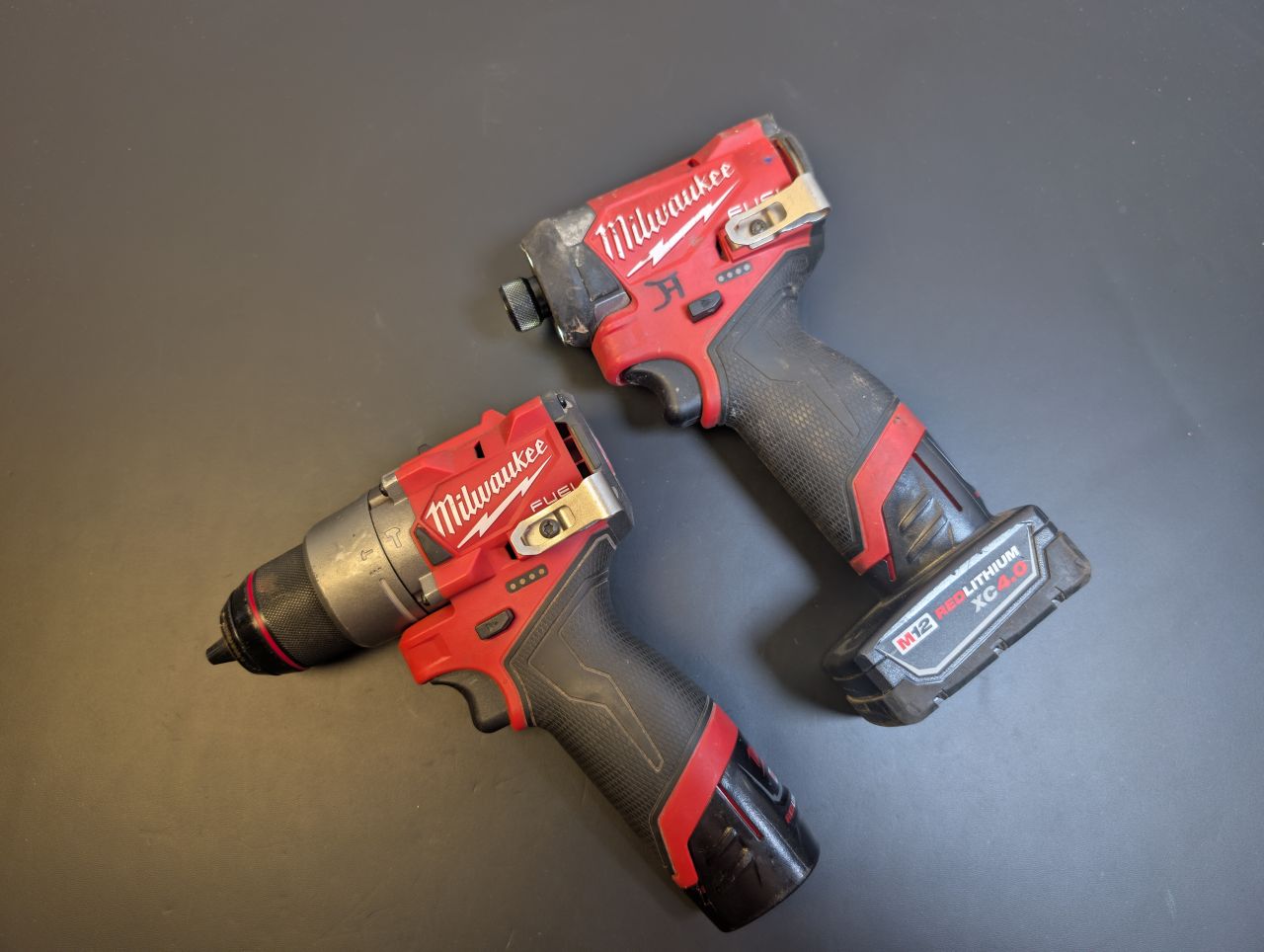
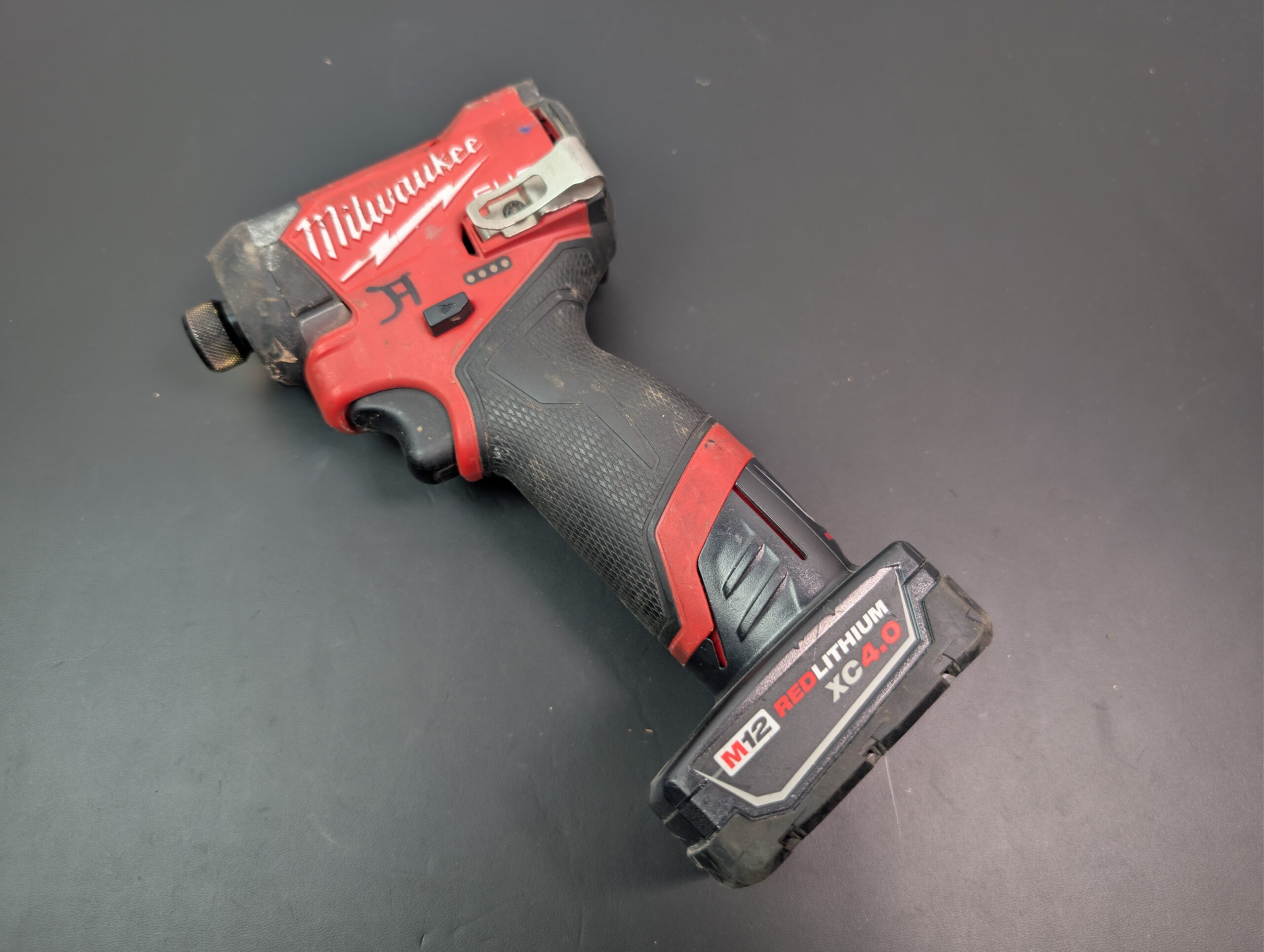
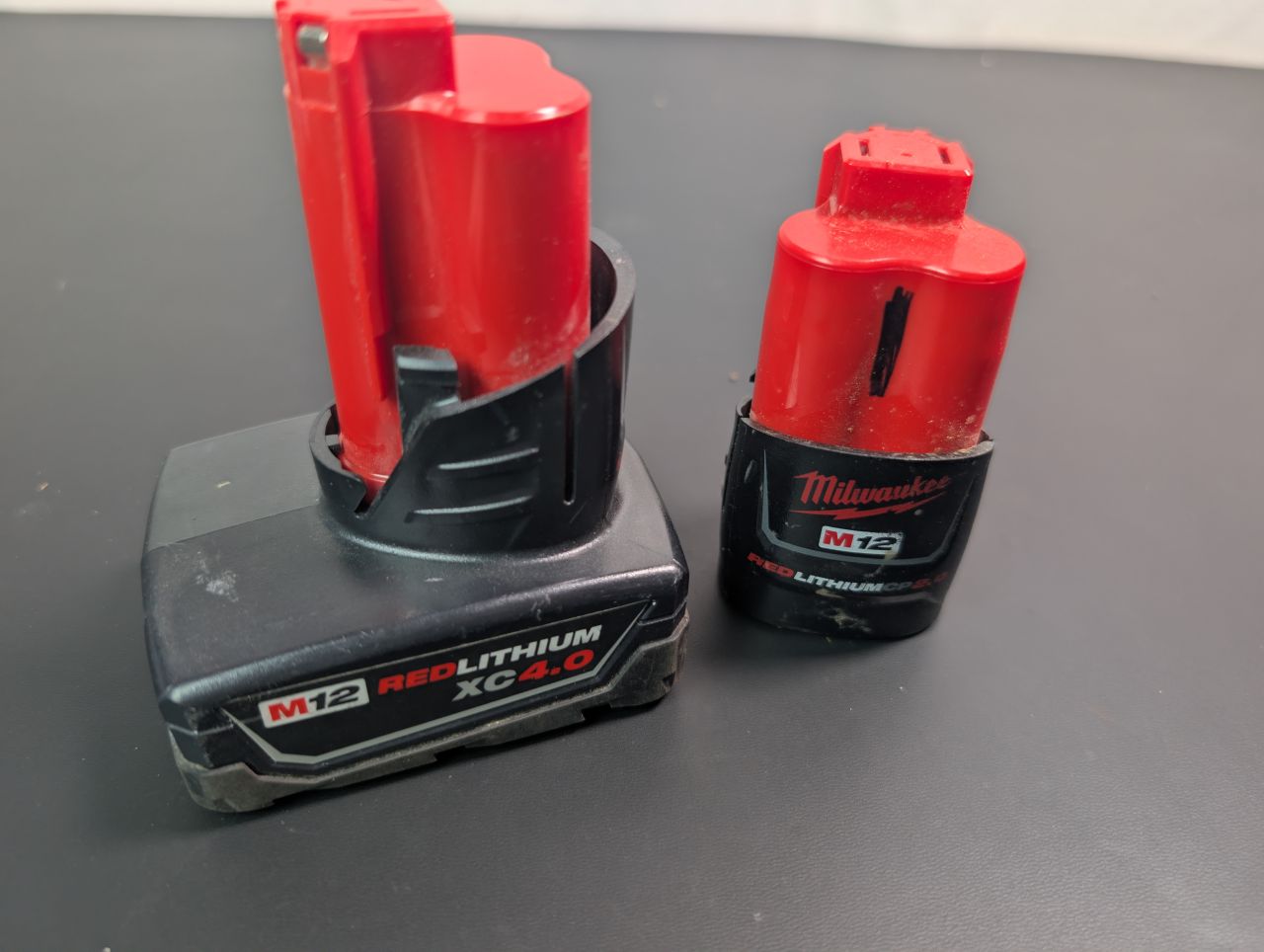
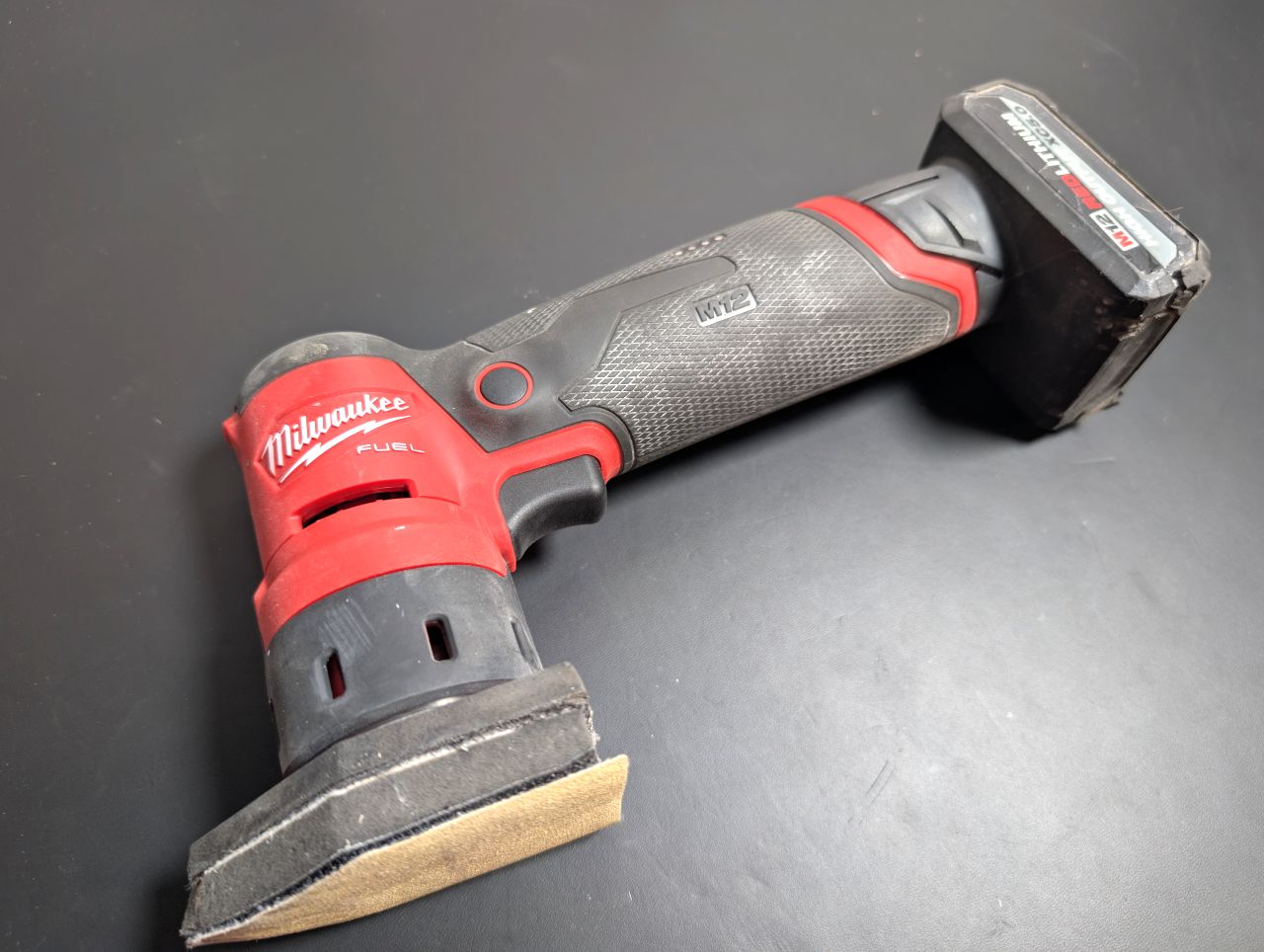
XC packs vs CP packs on M12 is runtime and bulk, not a secret door into 18-volt. Buy the compact tools if that is the work. Do not assume one red charger feeds every red body.
- Milwaukee M12 drill/impact combo
- Milwaukee M12 FUEL orbital detail sander
- Milwaukee M12 XC 4.0 Ah pack
- Milwaukee M12 2.0 Ah 2-pack
M18 (18V) — the power and catalog lane
M18 is the full-size lane: higher draw tools, deeper catalog, the press and the grease gun and the 1/2-inch impact. Same brand paint. Different pack. Pick it on purpose.
- Milwaukee M18 FUEL 2-tool combo kit
- Milwaukee M18 FUEL 1/2-inch high-torque impact
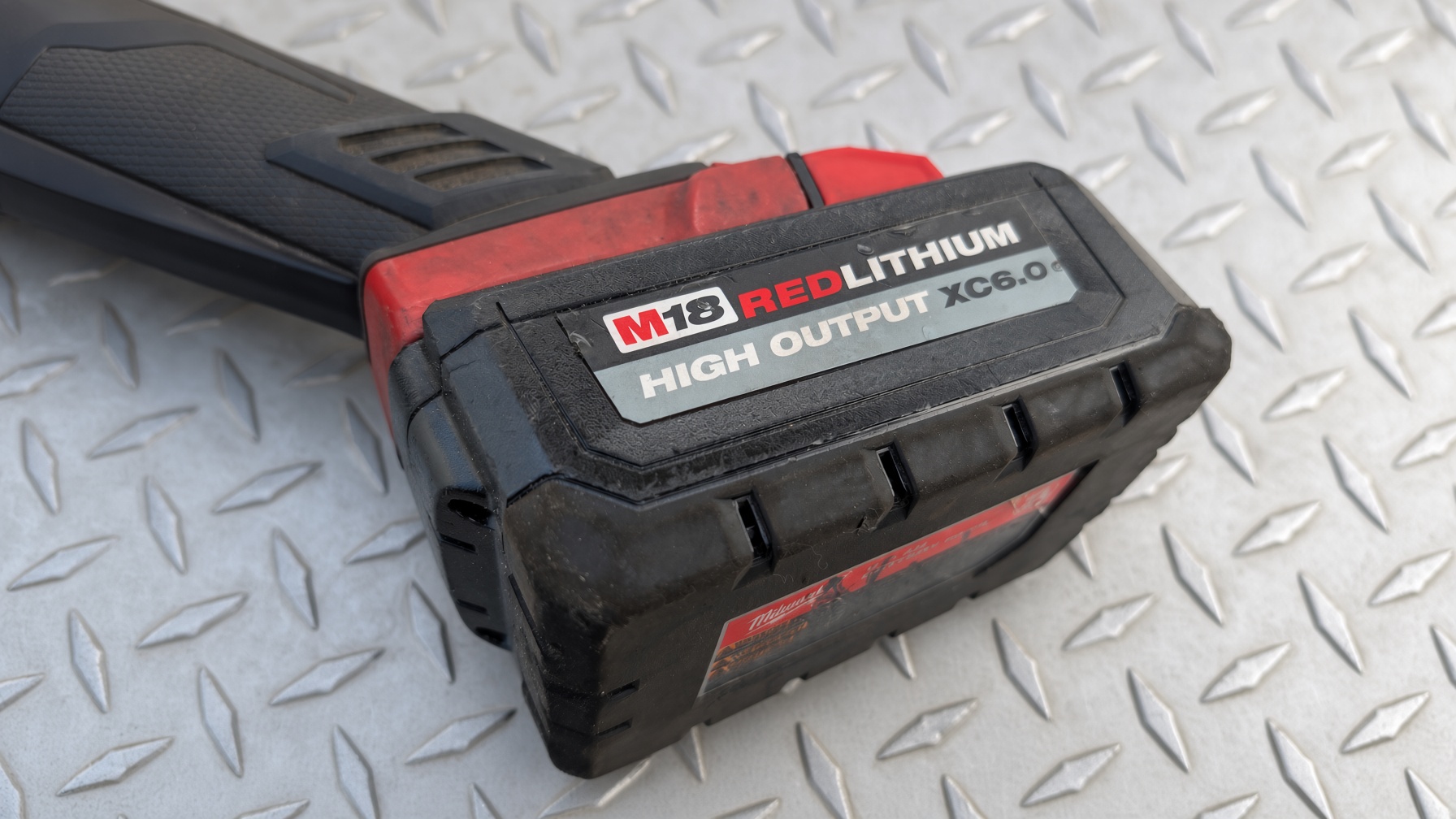
- Milwaukee M18 High Output XC 6.0 Ah pack
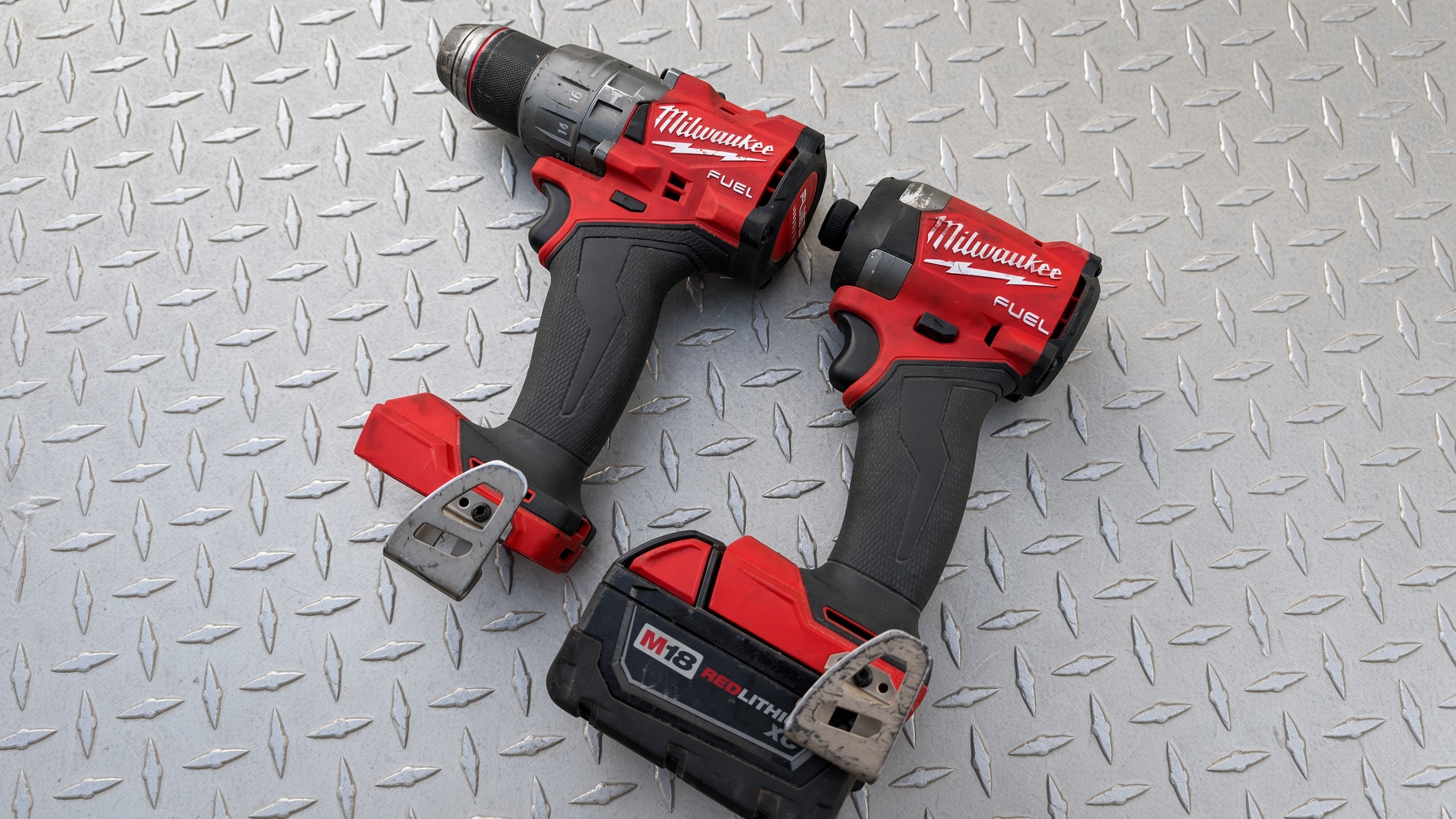
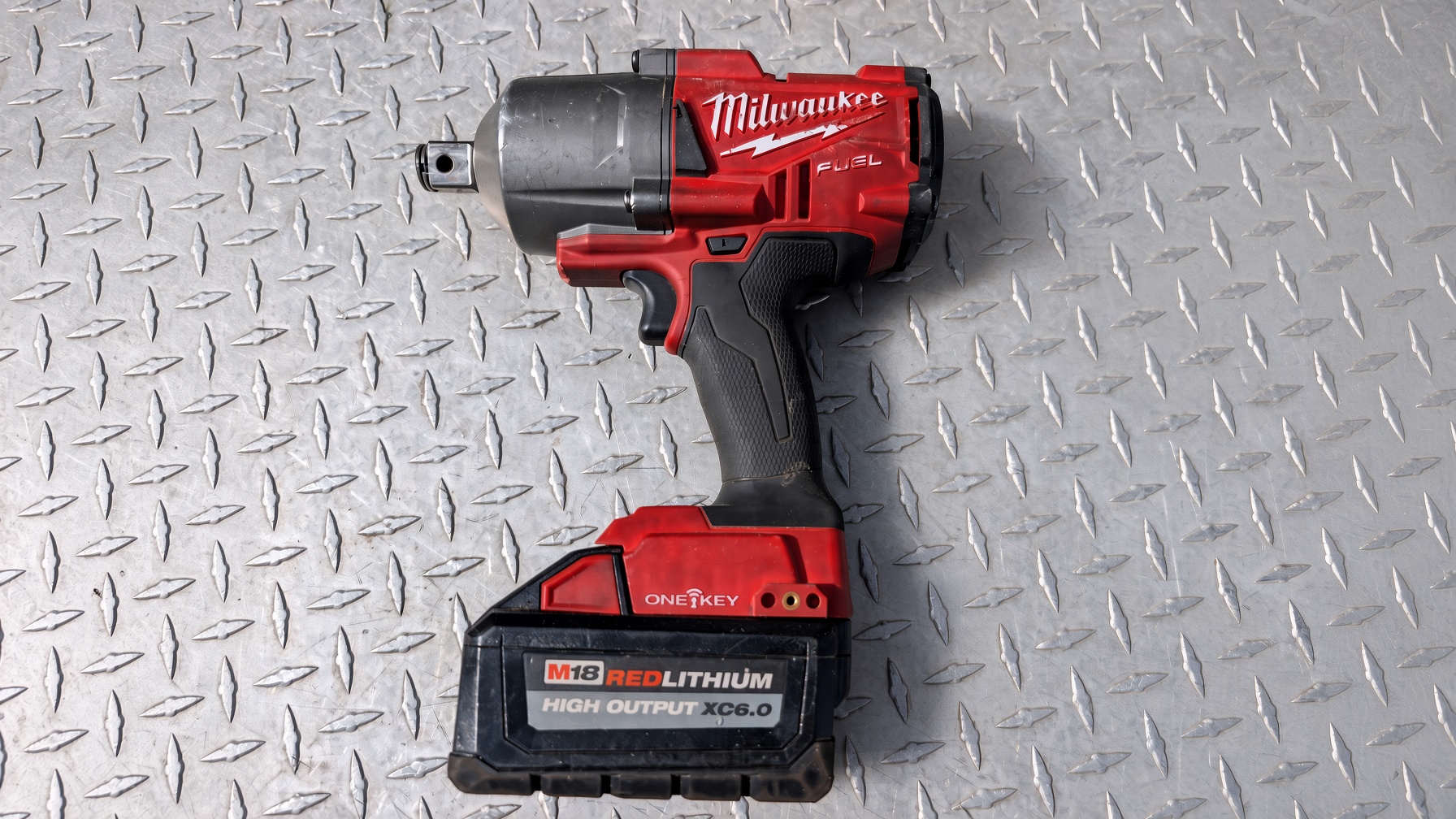
What I actually run: At work the plant is mostly Milwaukee, so that is what I run on shift too. Very few headaches in daily use. I also keep a Milwaukee M12 compact impact driver and drill set — small powerhouse that disappears into a bag and still gets real work done. That is the M12 lane done right: light, fast, and not a toy.
Who it is for: Pros and serious users who will own a deep kit and care more about coverage and output than entry price. Also anyone whose workplace already standardized red — matching the house platform is free interoperability. Who should pause: The weekend homeowner buying one drill and a light. You can start here, but you will pay pro prices for hobby hours if you never use the depth of the catalog.
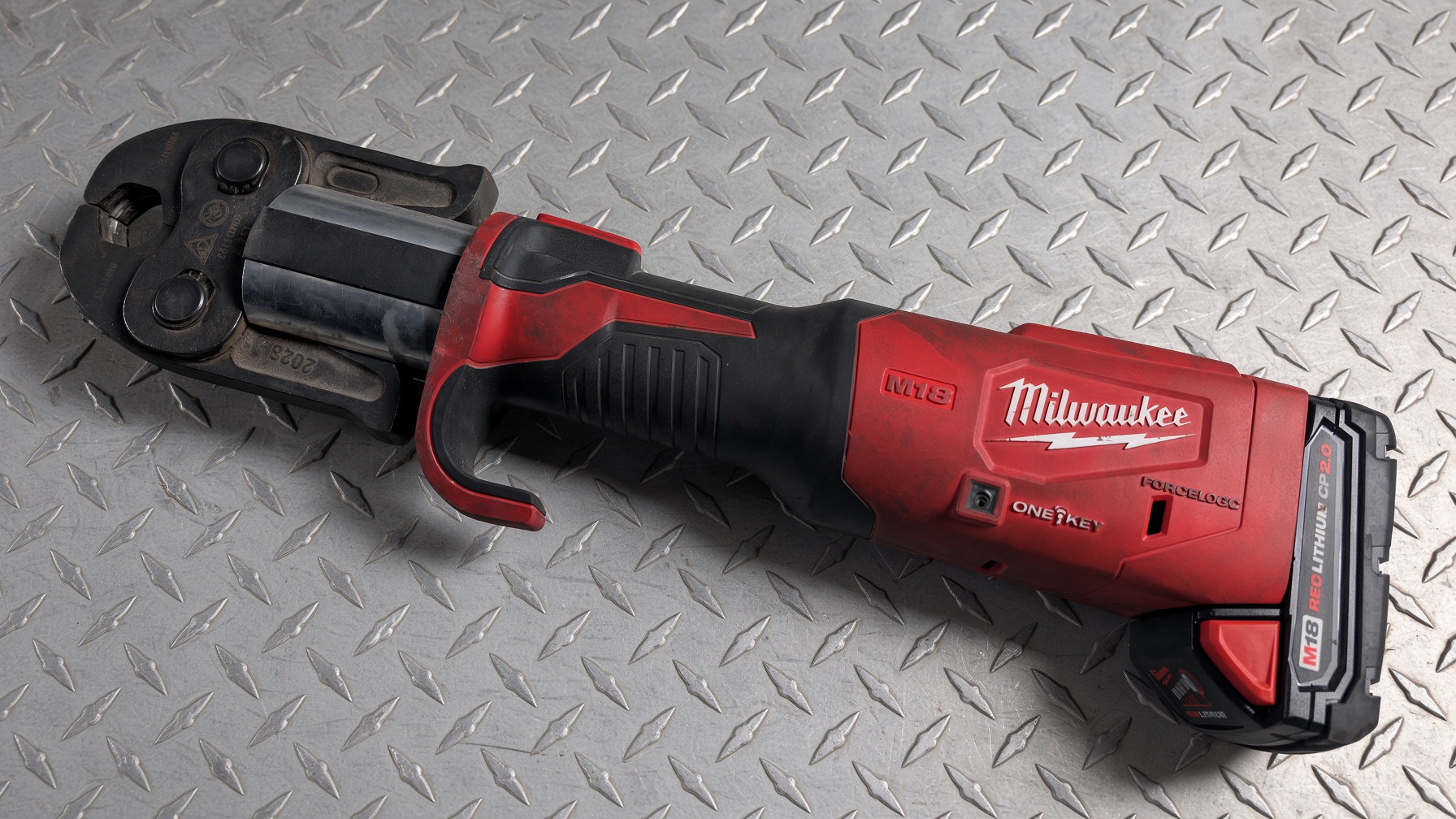
Check current price — Milwaukee M18 FORCELOGIC press tool
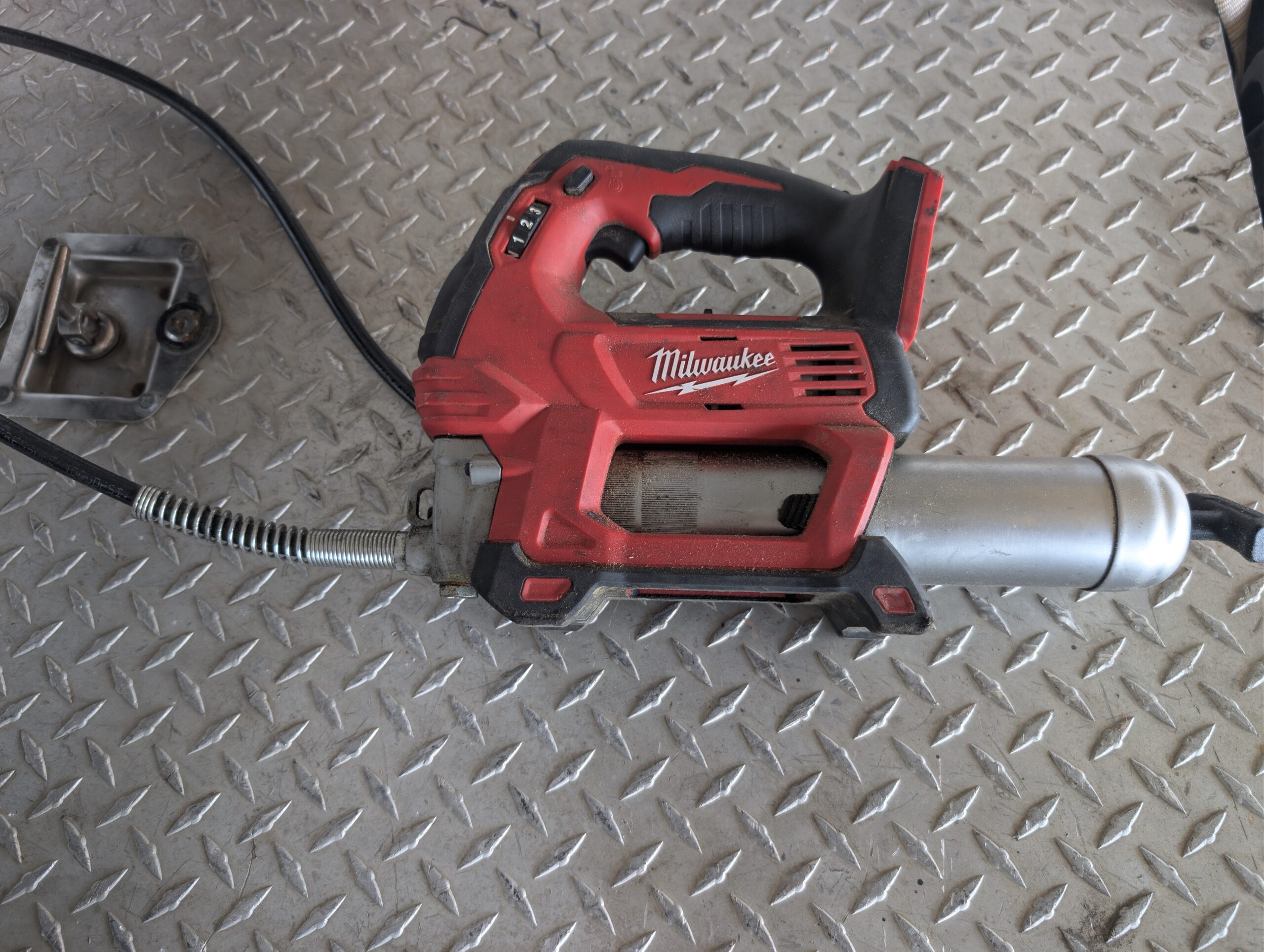
Check current price — Milwaukee M18 2-speed grease gun
DeWalt
Jobsite staple with huge retail presence. The two cordless lines most people mean when they say “yellow” are 12V MAX and 20V MAX (DeWalt’s marketing name for their main 20-volt-class platform). Again: two pack systems under one brand. A 12V MAX pack does not feed a 20V MAX tool. Easy to find kits, bare tools, and packs without hunting a specialty dealer for every SKU.
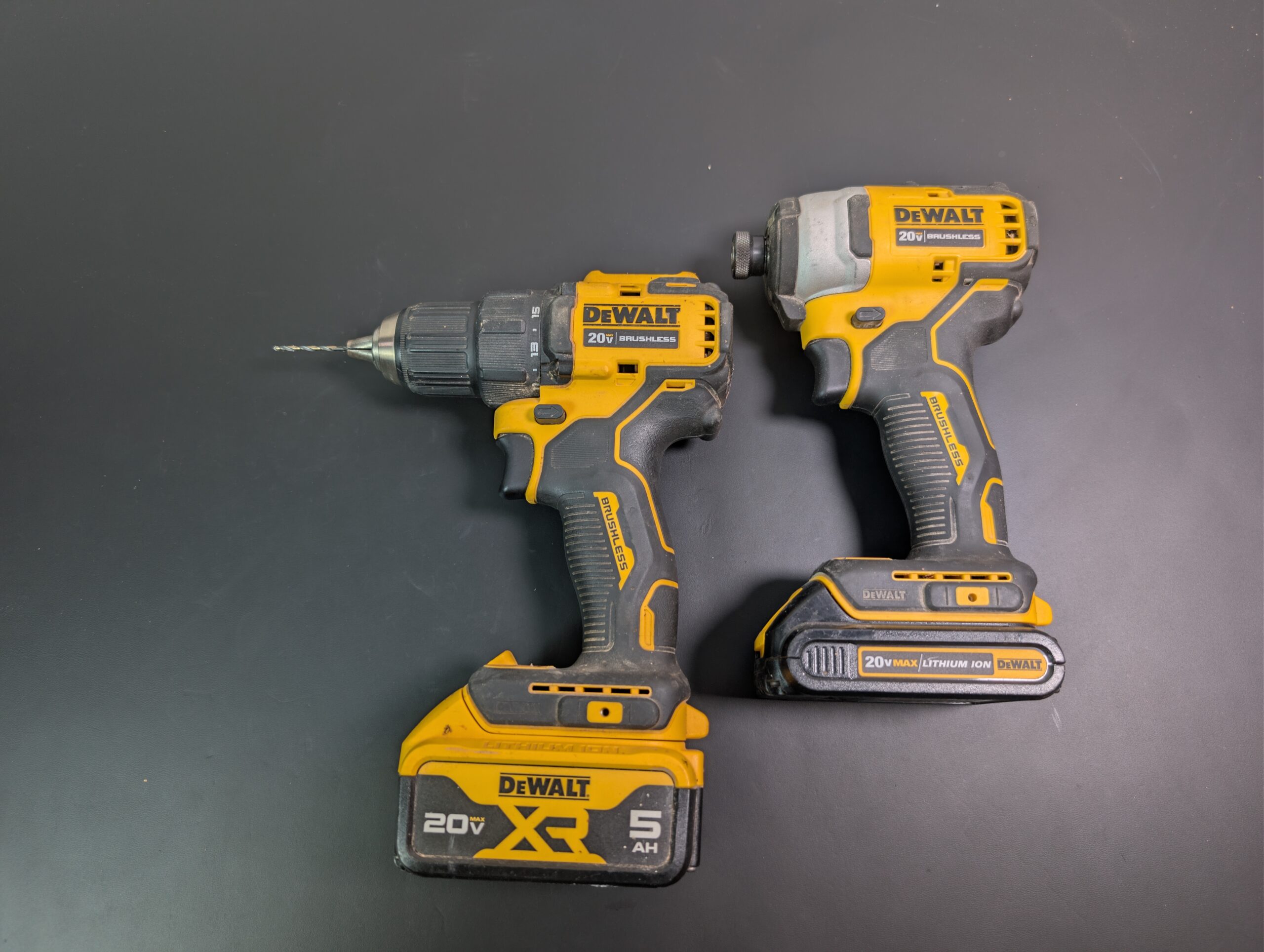
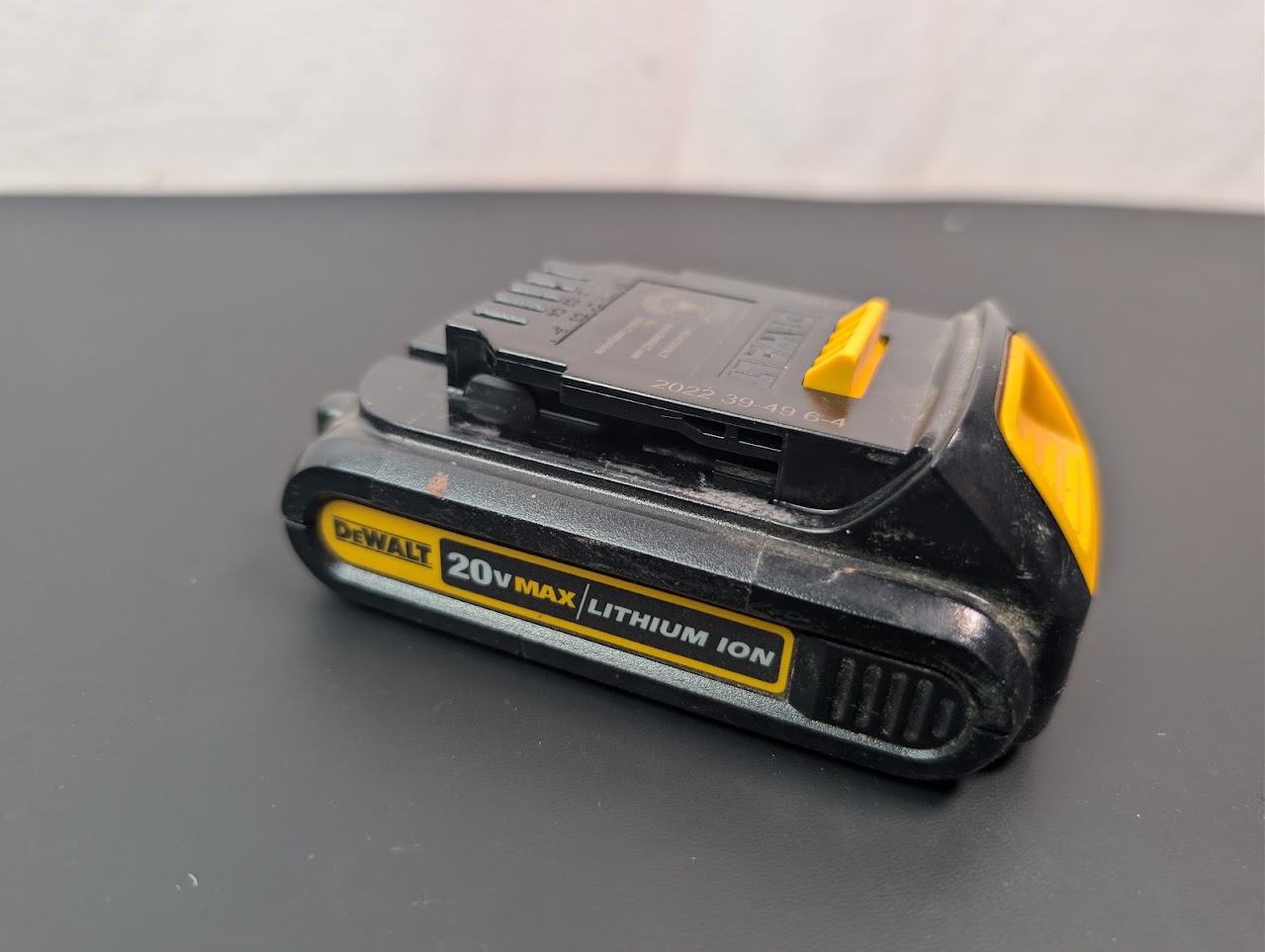
Check current price — DeWalt 20V MAX battery
What I actually run: Home shop is DeWalt. They have been solid enough that I run two 1/4-inch impact drivers — one lives on the shop, one stays in the truck for work “out there.” Packs have been robust and hold a charge when I need them. That is the whole point of committing: same batteries, same chargers, tool wherever the job is.
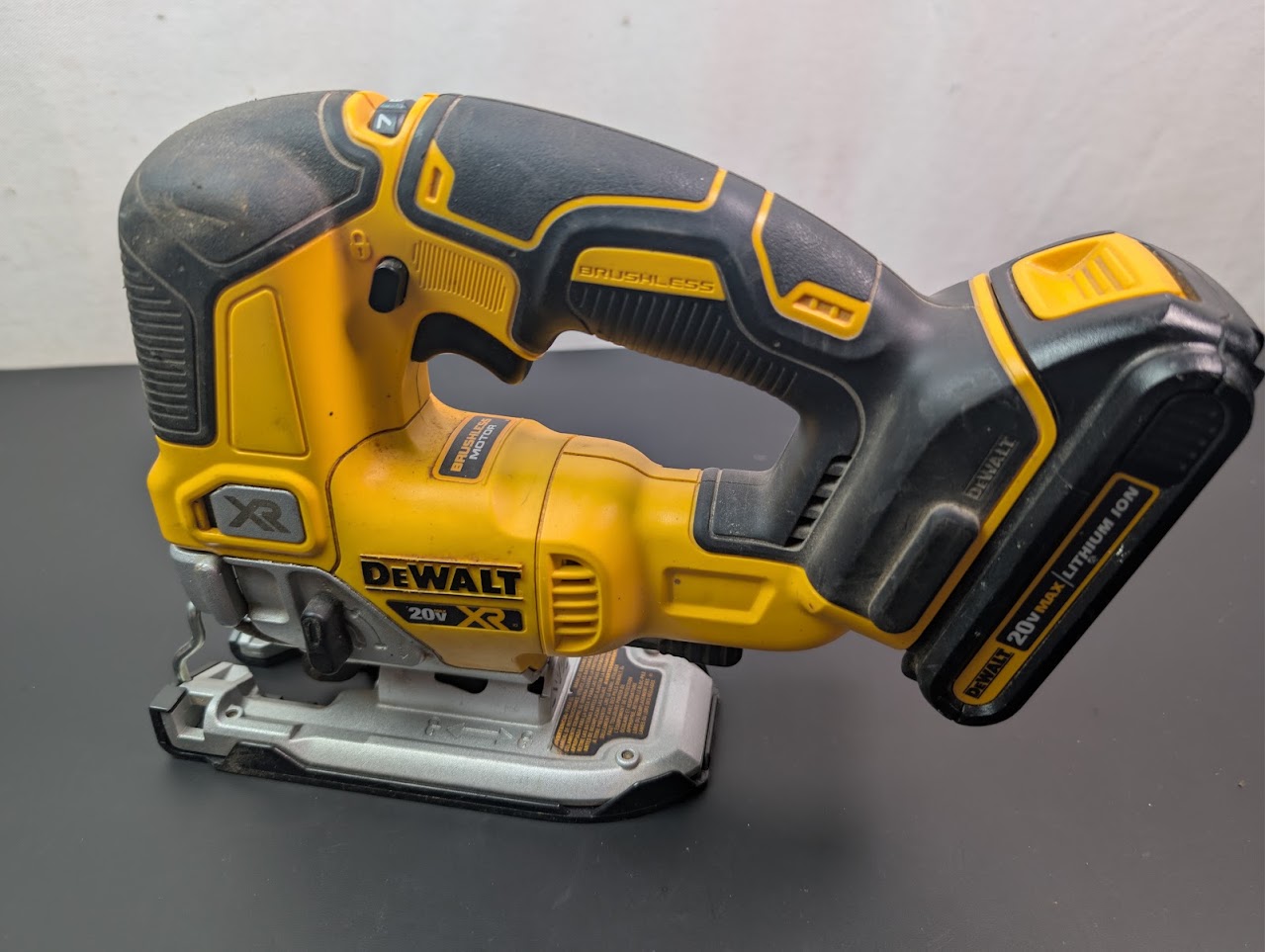
Who it is for: Home builders, remodelers, and DIYers who want a common platform they can expand for years without hunting obscure stock. Strong retail footprint if you need a pack or body on short notice. Who should pause: Nobody specific on the brand itself. Just do not buy DeWalt and two other colors “because the saw was cheaper.”
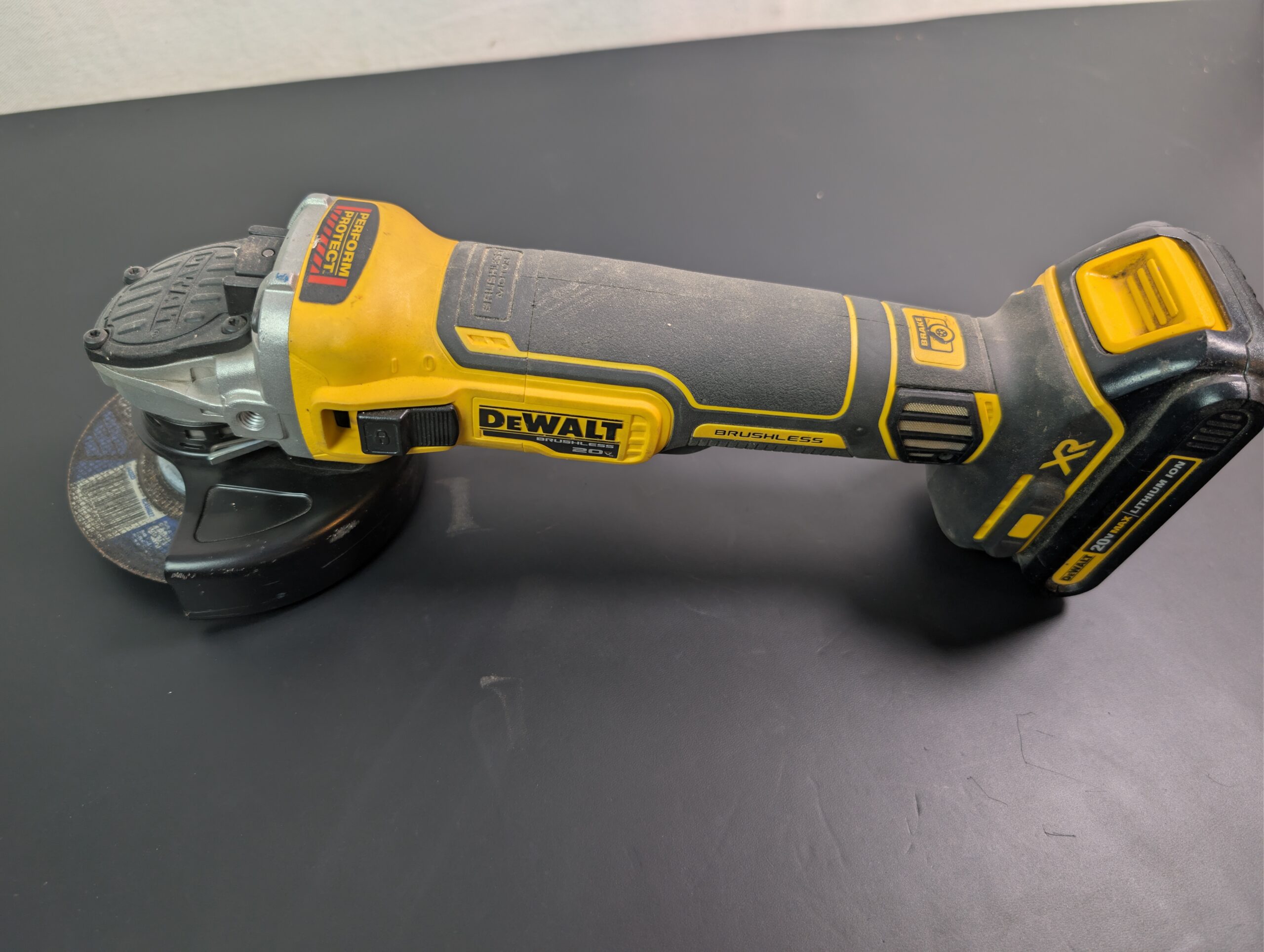
Two platforms on purpose vs. three by accident
I run DeWalt at home and Milwaukee at work. That is not the charger graveyard. That is two complete systems for two different environments — shop/truck vs. plant tools that already match the crew.
The trap is mixing brands inside one bag because the endcap was yellow this week and red next week. One platform per context. Shared packs where you live. Shared packs where you work. Not a rainbow of orphans under the bench.
Makita
Tools that still feel right after eight hours. Full ecosystem if you commit. Less front-of-store stacking than yellow or red in a lot of boxes.
Who it is for: Users who value ergonomics and a complete system, including shop and site work, and are fine shopping a slightly less omnipresent endcap. Who should pause: Impulse buyers who only shop whatever is stacked at the front of one big-box store that week.
Ryobi
The weekend warrior platform. Wide tool list at prices that let a home shop fill out lights, fans, inflators, and the weird one-off tools pros buy less often. Not the same class as pro lines under hard daily commercial abuse, and it does not pretend to be if you are honest about duty cycle.
Who it is for: Home DIYers and hobbyists building a house-and-garage kit without funding a contractor van. Who should pause: Anyone running tools for a living, all day, every day. Buy the platform that matches the load.
A note on “cheap” no-name cordless
Generic and ultra-budget brands win the screenshot price and lose the five-year cost. Slow chargers. Soft runtime. Thin tool catalogs. When the pack dies, support is a coin flip and replacements disappear. Fine for a junk drawer beater you expect to throw away. Bad as the spine of a real collection.
How to choose without overthinking it
Ask three questions before you touch a kit:
- Duty: House projects and hobbies, or paid work and daily hours?
- Breadth: Will this brand still sell the next five tools I am likely to want?
- Availability: Can I get packs and bare tools locally or fast when something dies mid-project?
Answer those, pick one lane, and stay in it. Color loyalty is not the point. Shared power is.
The math: kits beat bare-tool regret
Bare tools look like discipline. “I already have batteries.” That only works if you already have the right batteries.
If you are starting from zero, the kit with two batteries and a charger is almost always the smarter first buy.
Why the kit wins early
- You get a working system on day one. Tool + power + charger. No second trip.
- Two packs keep work moving. One on the tool, one on the charger. Single-pack ownership is how projects stall at the worst fastener.
- Per-watt-hour cost is usually better in kits. Manufacturers discount packs hard inside combos. Buying the same two packs later à la carte hurts.
- Future bare tools get cheap. Once the power core exists, every later tool is a body. That is when bare-tool pricing finally makes sense.
A simple way to run the numbers
Before you buy a “deal,” write three lines:
- Cost of this tool + the batteries/charger it needs to be useful
- Cost of a two-battery starter kit on the platform you actually want
- Cost of the next two tools you know you will want on that same platform (bare)
If path 1 only works by mixing brands, add a second charger and a second dead-end pack to the total. That is the real sticker.
Most people discover the kit was the bargain after they already own three mismatched chargers.
When bare tools do make sense
- You already standardized on one platform
- You are replacing a worn body and your packs are healthy
- A bare tool deal is real and you have spare capacity on the shelf
Until then, stop collecting bodies. Build the power core.
Voltage, packs, and the stuff people skip
A few shop-floor realities that keep beginners out of trouble:
- Stay inside one voltage family on purpose. DeWalt markets 12V MAX and 20V MAX; Milwaukee markets M12 and M18. “18V” vs “20V MAX” billboard numbers are not interchangeable across brands, and even inside one brand the small and large pack lines do not share batteries. What matters is the pack interface, not the sticker.
- Ah is runtime, not magic torque. A higher amp-hour pack runs longer and usually costs more. It does not turn a light-duty tool into a commercial grinder.
- Two mid-capacity packs beat one giant pack for most home kits. You can rotate. You are not dead when one pack browns out.
- Chargers are part of the system. A slow charger plus one battery is a hobby killer. If the kit charger is weak, plan a better one later inside the same platform.
- Packs age. Heat, storage at empty or full for months, and cheap cells all shorten life. Buy quality packs you can replace inside a living ecosystem, not orphans.
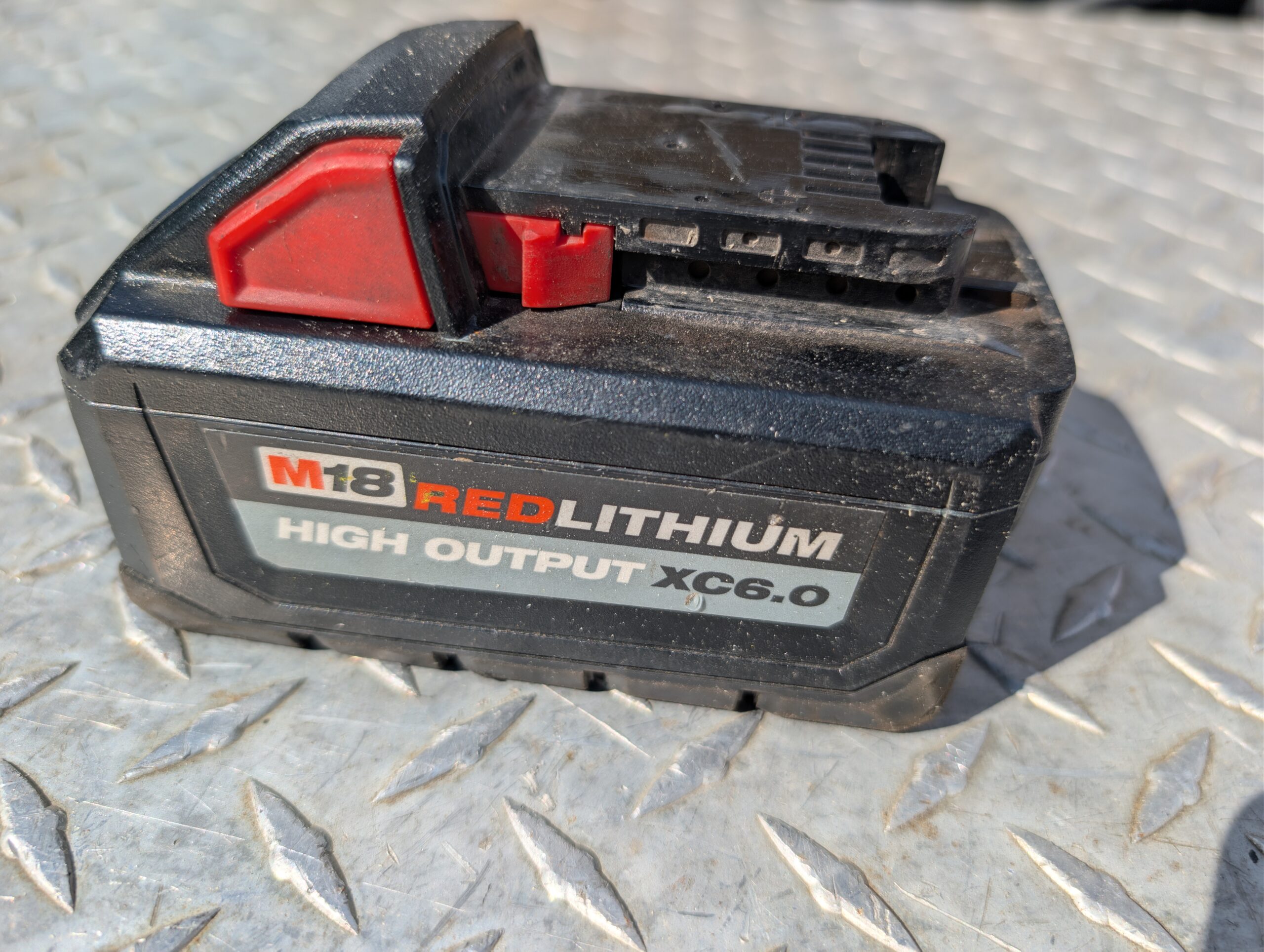
Check current price — Milwaukee M18 High Output XC 6.0 Ah pack
You do not need an engineering degree. You need one platform, enough runtime to finish a task, and a charger that keeps up.
Pick the platform before the first drill
Pick your platform before you buy your first drill.
Not after the third impulse buy. Not when the drawer is already full of odd packs. Before the first trigger pull.
- Decide duty level (home / serious hobby / trade)
- Pick Milwaukee, DeWalt, Makita, Ryobi, or another full ecosystem that fits that duty
- Buy a starter kit with two batteries and a charger (drill/impact combo is still the right first tool pair for most homes)
- Add bare tools only inside that system
- Refuse endcap orphans unless you are buying a disposable beater on purpose
If a friend tries to hand you a random bare tool in a brand you do not run, smile and decline, or budget the full pack-and-charger tax before you say yes. Free tools are not free when they invent a second ecosystem on your wall.
A cheap drill on the wrong platform is not a deal. You will end up buying a second charger and a second set of packs before the year is out.
What to do if you are already in the trap
Too late, already mixed? You are not doomed. You are in cleanup mode.
- Pick a survivor platform. The one with the most tools you actually use, or the one that matches your future work.
- Stop feeding the losers. No new tools on the secondary brands unless a pack is already sitting idle and the tool is truly needed.
- Consolidate chargers and packs on the survivor line first. Sell or gift the stragglers if they are worth more to someone else than to your shelf. Do not leave secondary packs at 0% for a year — that is how they cook themselves on the shelf.
- Accept one beater exception if you must. One oddball tool you rarely use is survivable. A second full system is not a plan.
Do not “finish” three platforms. Finish one.
Where to buy (if you want the same gear)
Same links as above, in one place. Skip this if you already clicked in the section. These are the pieces in the photos — not a shopping list you have to copy brand-for-brand.
- Milwaukee M12 drill/impact combo
- Milwaukee M12 FUEL orbital detail sander
- Milwaukee M12 XC 4.0 Ah pack
- Milwaukee M12 2.0 Ah 2-pack
- Milwaukee M18 FUEL 2-tool combo kit
- Milwaukee M18 FUEL 1/2-inch high-torque impact
- Milwaukee M18 High Output XC 6.0 Ah pack
- Milwaukee M18 FORCELOGIC press tool
- Milwaukee M18 2-speed grease gun
- DeWalt 20V MAX drill and impact driver
- DeWalt 20V MAX XR jigsaw
- DeWalt 20V MAX angle grinder
- DeWalt 20V MAX battery
Final word
The honeymoon is the first cordless purchase. The charger graveyard is what you get when every purchase is a separate story.
One platform. Two good batteries. One charger family. Tools that share power so your money stacks instead of scatters.
One platform. Two packs. Tools that share power. Still useful in five years.
Buy packs and a charger first. Bodies come after.
Previous: The First 10: Building a Real Tool Foundation
Next up: The Tool Maintenance Schedule: Keeping Your Gear From Becoming Junk — because a good platform still turns into expensive scrap if you ignore basic care.
Which battery platform did you commit to, and what was the orphan tool you regret? Drop it in the comments.
Disclosure: Some links on jestermetalworks.com may be affiliate links. If you buy through them, we may earn a commission at no extra cost to you. That keeps the lights on and the advice honest.
Disclaimer: This is practical shop guidance from experience, not a manufacturer warranty or a substitute for the manual. Follow tool and battery safety rules. Damaged packs get retired, not nursed.